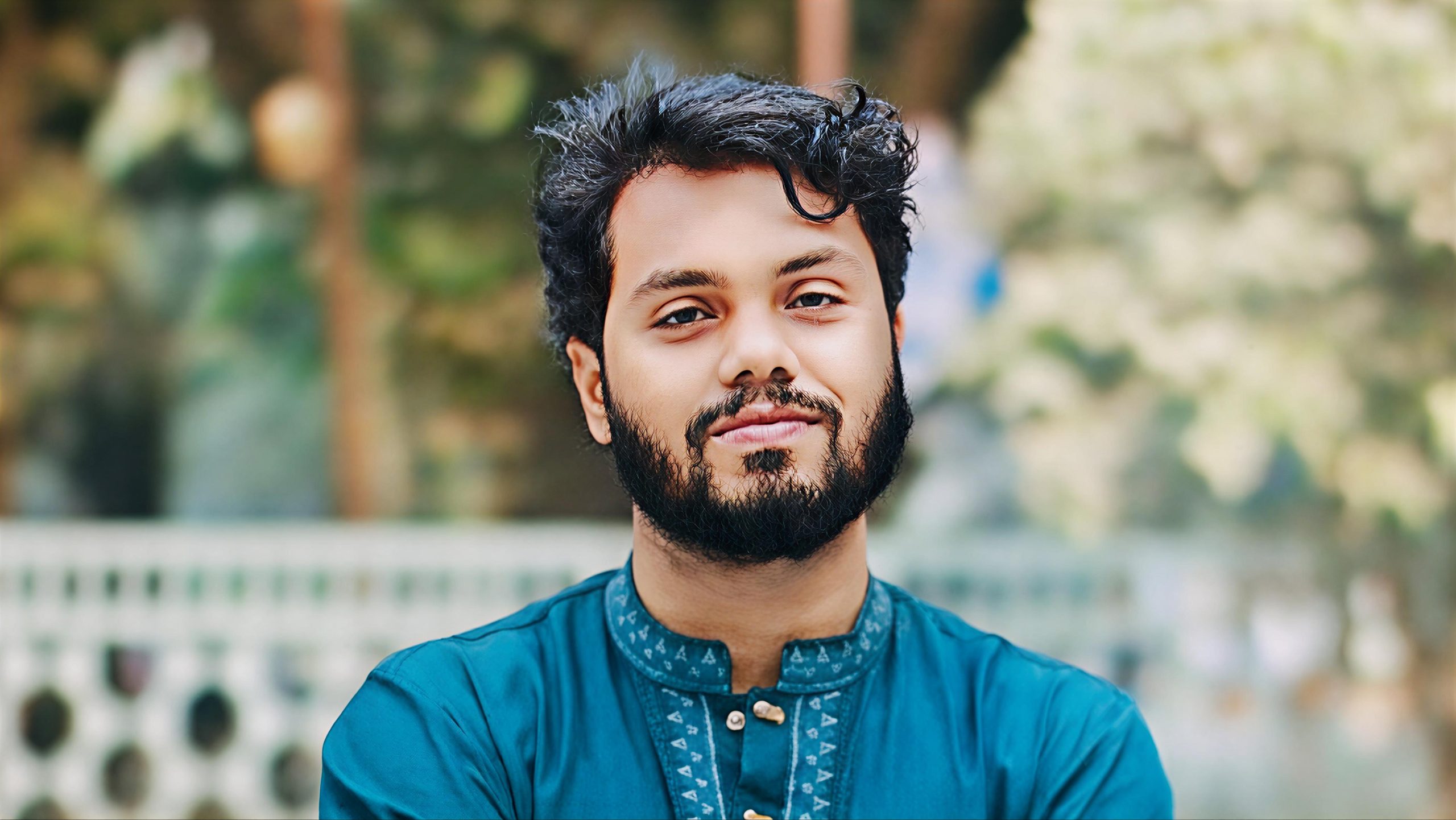
Dhaka: The assassination of Sharif Osman Hadi, a prominent youth leader linked to last year’s student-led uprising, has once again pushed Bangladesh into political turmoil at a critical moment, just over a year before national elections scheduled for February 2026.
Hadi was shot at close range while leaving a mosque in Dhaka last Friday. He sustained a severe head injury and was later airlifted to Singapore for advanced treatment on December 15. He succumbed to his injuries on Thursday, triggering widespread protests, arson, and violent clashes across the country.
From madrasa background to student movement leader
Sharif Osman Hadi was born on June 30, 1993, in Nalchitty of Jhalokathi district in southern Bangladesh. He grew up in a religious household; his father was a madrasa teacher and imam.
After moving to Dhaka for higher education, Hadi enrolled at Dhaka University, where he became increasingly involved in student activism and social movements. His political awakening was shaped by issues such as youth unemployment, corruption, and what he described as excessive government interference in state institutions.
Bangladeshi media report that Hadi quickly gained recognition for his sharp rhetoric and organisational skills, especially among urban youth.
Rise during anti-Sheikh Hasina student protests
Hadi emerged as a national figure during the July–August 2024 student protests against then-Prime Minister Sheikh Hasina. He became one of the leading organisers and spokespersons of the Inquilab Manch, a student-youth platform that played a central role in mobilising opposition against the Awami League government.
The movement channelled long-standing public frustration toward Sheikh Hasina’s prolonged rule and alleged democratic backsliding. Supporters viewed Hadi as a fearless voice of reform and national sovereignty, while critics accused the platform of radicalising youth politics.
Inquilab Manch, ban, and independent candidacy
Following the collapse of Sheikh Hasina’s government and the formation of an interim administration under Muhammad Yunus, the Inquilab Manch was dissolved and barred from participating in national elections.
In response, Hadi announced his decision to contest the February 2026 parliamentary election as an independent candidate from the Dhaka-8 constituency. He was actively campaigning when the attack occurred.

Police say the assailant arrived on a motorcycle and opened fire at close range while Hadi was travelling in an e-rickshaw, before fleeing the scene. No group has claimed responsibility so far.
Death sparks nationwide protests and violence
News of Hadi’s death led to immediate unrest across Bangladesh. Demonstrators blocked roads, torched vehicles, and clashed with police in Dhaka, Chittagong, Rajshahi, and other cities.
In the capital, violent incidents were reported in Dhanmondi and Shahbagh. Protesters attacked and vandalised the offices of Prothom Alo and The Daily Star, set fire to Sheikh Mujib’s residence at Dhanmondi-32, and damaged the Chhayanaut cultural centre.
A large crowd also gathered outside the residence of the Indian Deputy High Commissioner, pelting stones, according to local journalists. Additionally, the house of former Awami League education minister Mohibul Hassan Chowdhury Naufal was vandalised and set ablaze.
Police responded with tear gas, water cannons, and mass deployments. Twenty battalions of the Border Guard were mobilised in Dhaka amid fears of escalating violence.
Political pressure mounts on interim government
The Inquilab Manch issued a 24-hour ultimatum demanding the arrest of Hadi’s killers. At a rally during his funeral, forum secretary Abdullah Al-Jaber questioned the government’s inaction and demanded the resignation of senior home affairs officials if justice was delayed.
Hadi’s brother, Abu Bakr Siddiqui, publicly questioned how the gunman managed to escape after a daylight shooting in the capital, demanding swift arrests.
Yunus vows justice, calls for restraint
Addressing the nation, interim government chief adviser Muhammad Yunus urged citizens to remain patient and warned against misinformation and rumours. He assured that all those responsible would be brought to justice and promised state support for Hadi’s wife and only child.
Funeral draws massive crowds
Hadi’s funeral on Saturday turned into one of the largest public gatherings in recent years. Tens of thousands gathered at the parliament complex, spilling onto Manik Mia Avenue.
His body, draped in the national flag, was laid to rest near the tomb of poet Kazi Nazrul Islam at Dhaka University. Yunus described Hadi as an “immortal martyr,” while mourners chanted slogans such as, “We will all be Hadi; we will fight.”
Dhaka Metropolitan Police deployed over a thousand officers equipped with body cameras to manage the crowds.
A polarising figure at a sensitive moment
Sharif Osman Hadi remains a deeply polarising figure. Supporters see him as the embodiment of youth resistance and democratic reform; critics argue his politics encouraged extremism.
What is undisputed, however, is the timing of his assassination. Coming ahead of national elections, it has reopened debates over political violence, freedom of expression, and the future trajectory of Bangladesh’s democracy.
Regional implications, India factor
Hadi was an outspoken critic of India’s influence in Bangladeshi politics. Analysts warn that his killing could further complicate Dhaka–New Delhi relations, already strained since Sheikh Hasina’s departure for India.
Although recent diplomatic engagements—such as the April meeting between Indian Prime Minister Narendra Modi and Muhammad Yunus—had raised hopes of improved ties, observers say the post-Hadi political landscape introduces fresh uncertainty.