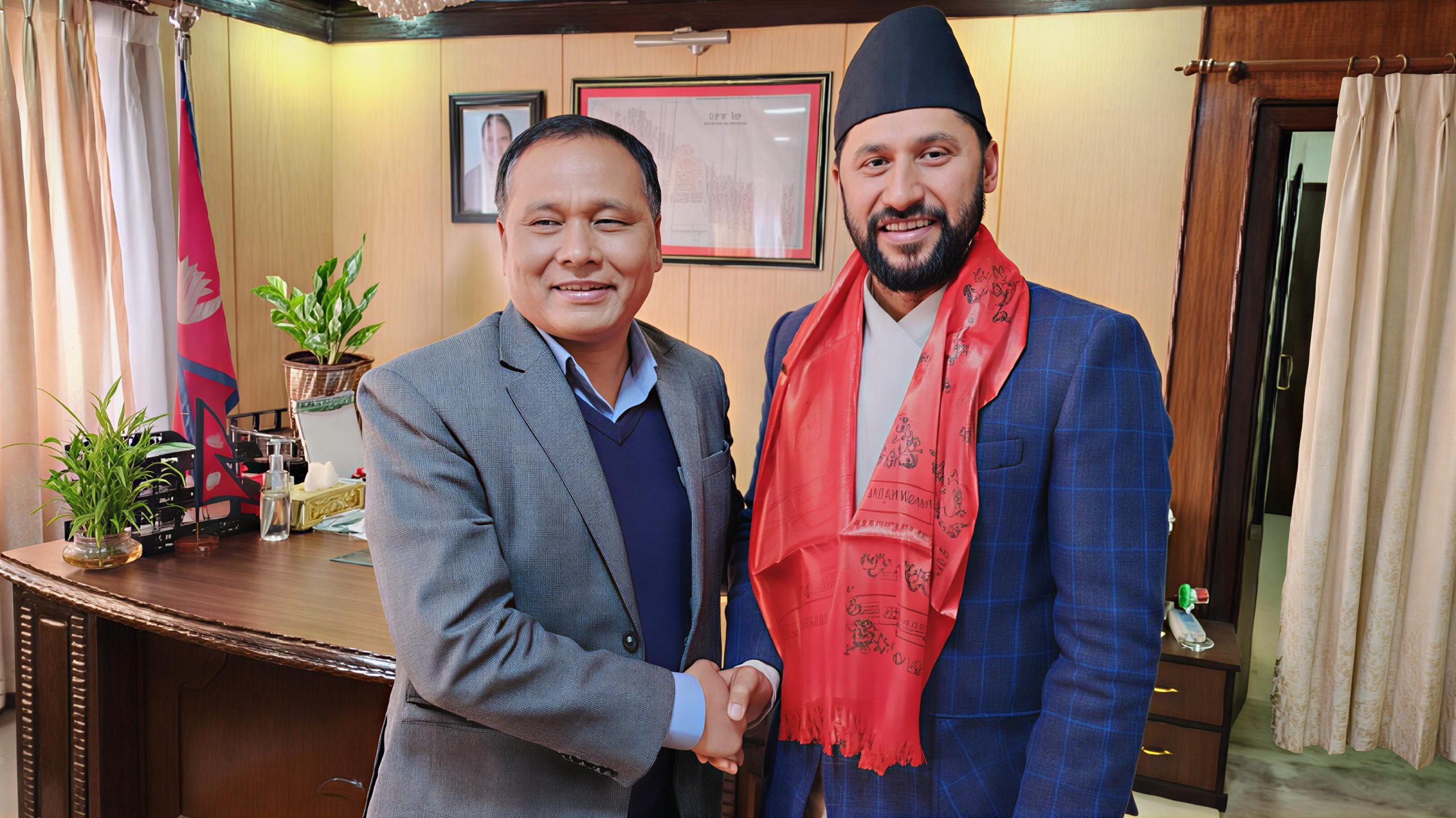
Kathmandu– The proposed unification between the Rastriya Swatantra Party (RSP) and the Ujyaalo Nepal Party (UNP) has collapsed after weeks of negotiations aimed at consolidating Gen Z–driven political momentum ahead of the next elections. Leaders from both sides have begun openly trading accusations over who caused the breakdown.
RSP communication committee co-coordinator Shishir Khanal said the talks derailed after UNP demanded a 50 percent share in top leadership positions, including party chair, senior or deputy chair, general secretary, and joint general secretary. He said the demand appeared to be an attempt to “capture the party.”
“We could not agree to those terms. It looked like an effort to take over the party. With unity no longer possible, we are now exploring electoral coordination,” Khanal told Nepalpulse. He added that discussions with Kathmandu Metropolitan City Mayor Balen Shah’s group remain positive and are expected to resume following the mourning period for Balen’s late father.
UNP leaders have strongly disputed RSP’s account. They argue that the unity effort collapsed because RSP repeatedly added new conditions despite UNP showing what they describe as “maximum flexibility.” UNP spokesperson Dr. Raju Thapa said the Election Commission’s deadline for party unification expired without agreement, effectively ending the process.
“We were asked to complete unification within the Election Commission’s timeframe. We were flexible throughout, but they kept adding conditions. Now our focus has shifted to strengthening the organization,” Thapa said.
UNP negotiation coordinator Dr. Tara Joshi added that while immediate unity is no longer possible, cooperation for electoral purposes remains open. “We discussed several modalities of unification, but there have been no talks in the past week. We are now mobilizing at the district level,” he said.
Another UNP leader said tensions escalated because of parallel discussions involving the RSP, the Bibeksheel Sajha Party, and what he described as the RSP’s perception that UNP was weak. According to him, RSP even engaged in a “media trial” to undermine UNP’s standing.
He added that UNP had initially agreed to unify under the RSP’s party name and election symbol, with all 51 UNP central members joining the unified central committee. “They later backtracked, saying only a few could be central members and none would receive executive authority. That made unification impossible,” he claimed.
Despite the collapse of merger talks, leaders from both sides say electoral coordination—not full unification—remains a viable possibility as preparations intensify for the upcoming polls.