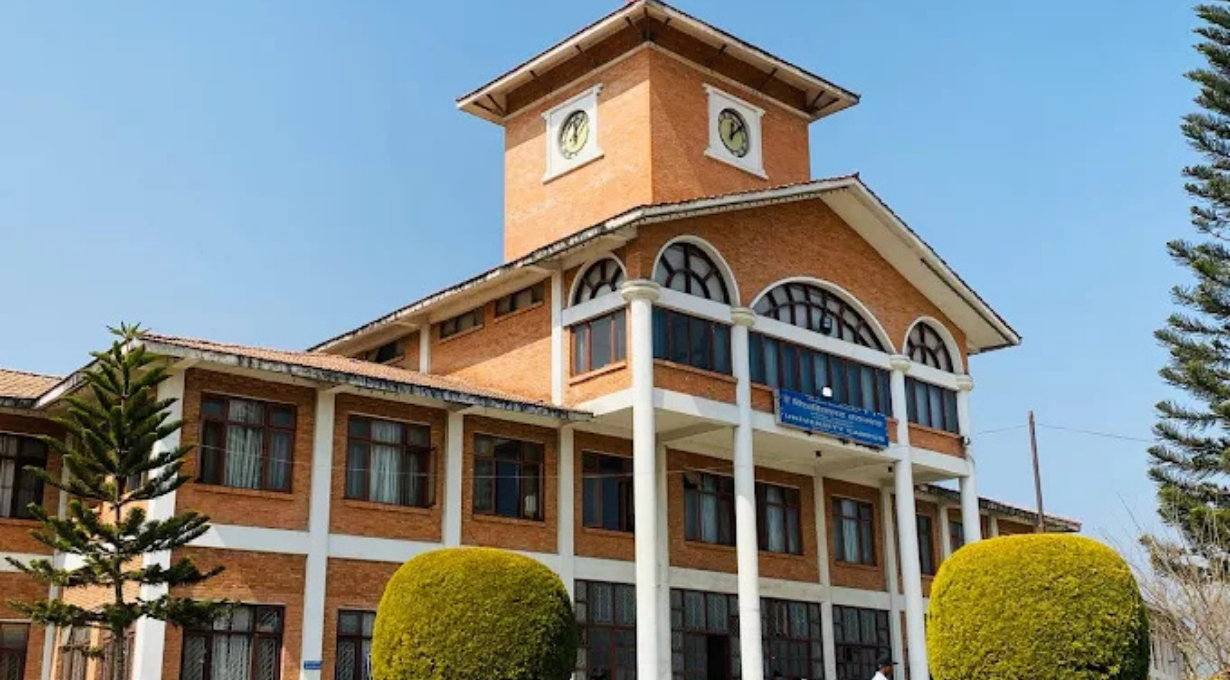
Kirtipur (Kathmandu)- Tribhuvan University has decided to award academic credits to students not only for classroom performance but also for achievements and contributions in extracurricular activities, marking the first such policy implementation in Nepal’s higher education system.
According to the university, students excelling in areas such as social service, disaster management, sports, fine arts, science and technology, innovation, entrepreneurship, and management will have their contributions evaluated and reflected as academic credits on their official certificates.
Director of the Directorate of Student Welfare and Sports, Dr Dipendra Parajuli, said students will not automatically earn credits by submitting participation or achievement certificates. He said all extracurricular activities will be closely monitored, documented, and verified through a centralized system before being considered for academic credit.
Under the policy, coordinators at individual campuses for programmes including the National Service Scheme, National Service Corps, Vice-Chancellor Cup Sports, Fine Arts, and Science, Innovation, Technology and Entrepreneurship will be responsible for submitting verified records of student participation, engagement hours, and performance for each semester. These records will be reviewed, certified, and approved by the Directorate of Student Welfare and Sports.
The university is also developing a centralized digital system to maintain detailed records of student activities, participation hours, and accumulated credit points. An integrated dashboard using digital tools will allow the university to track credits earned by individual students, programme-wise completion status, and comparative performance across campuses.
Dr Parajuli said the initiative is expected to enhance students’ overall academic performance while helping the university identify, nurture, and institutionally support students with hidden talents in diverse fields. Students participating in programmes already embedded in the university structure, including national service initiatives, sports competitions, fine arts, and innovation and entrepreneurship programmes, are expected to benefit directly.
The policy further proposes appointing top-performing students from each central department as teaching or research assistants, providing them opportunities to contribute academically within the university. In addition, special admission provisions are being considered for students who demonstrate exceptional performance in fields outside the university system.
Dr Parajuli said a concept paper is currently under preparation and the policy will be formally implemented after approval from the Academic Council. He described the move as a landmark step in integrating extracurricular engagement into Nepal’s academic credit system.